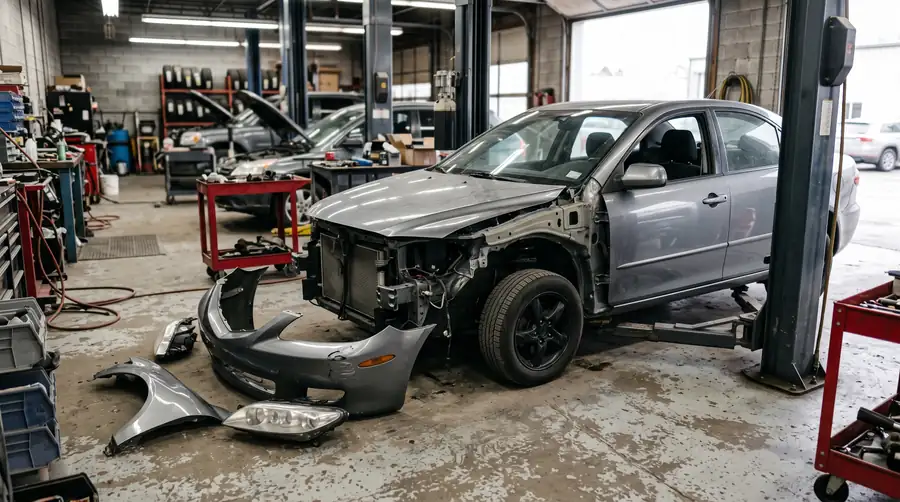
The honest answer is that a shop cannot tell you precisely on day one, because the estimate is written from what is visible and the schedule is set by what is underneath.
What they can tell you is the tier you are in.
The three tiers
| Damage | What it involves | Typical time |
|---|---|---|
| Minor cosmetic | Scratches, small dents, bumper repair | 1 – 3 business days |
| Moderate body work | Panel replacement, paint blending | 4 – 7 business days |
| Major collision | Frame damage, multiple systems | 2 – 4+ weeks |
Business days, not calendar days. A car booked in on a Thursday for a 4-day repair comes back the following Wednesday.
Within the minor and moderate tiers, individual operations stack up predictably: a paint touch-up is about a day, a full panel refinish one to two, plastic repair with repaint two to three, a cover replacement three to five. A bent reinforcement bar adds one to two more. A luxury full replacement can run five to ten days or beyond.
What actually causes the delays
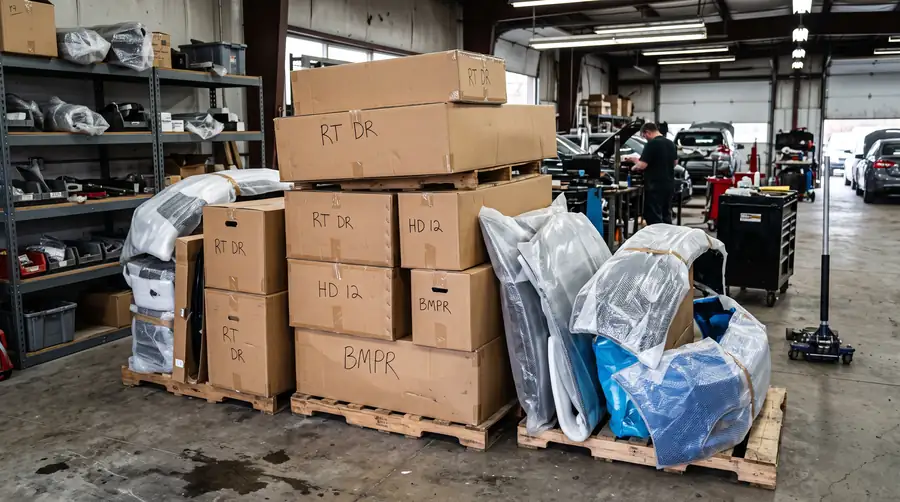
- Parts availability. The single biggest factor. A back-ordered panel stops the job regardless of how good the shop is, and on newer or lower-volume models it is common.
- Supplements. Hidden damage found at teardown means a revised estimate, insurer re-approval, and possibly new parts ordered from scratch.
- Paint and cure time. Refinishing is sequential and cannot be compressed. Each coat needs its own flash and cure.
- Calibration. Dynamic ADAS calibration requires a road drive in suitable conditions. Bad weather or poor road markings can push it a day.
- Insurer approval cycles. Every supplement is a round trip.
Why your rental coverage cap matters more than the rate
Rental reimbursement is typically $30–$50 a day up to a capped number of days. On a repair delayed by back-ordered parts, the cap is what runs out — not the daily amount. Ask how many days you have, and tell the shop the number. A shop that knows your rental expires on day ten will often sequence the work differently.
Repair dragging on longer than the car is worth?
If a long repair on an older vehicle is costing you rental days, it is worth knowing what replacement looks like.
See vehicle pricingFour things that shorten it
- Authorize supplements quickly. The delay is usually waiting for a decision, not doing the work.
- Ask about parts on day one. If something is back-ordered, you want to know before the car is stripped, not after.
- Ask whether calibration is in-house or sublet. Sublet work adds a transport leg and another shop's schedule.
- Give the shop your rental cap. It is genuinely useful information for how they sequence the job.
Sources
- Kunes Auto Body, Repair Timeline — the three damage tiers and their business-day ranges
- Brea Auto Body, Bumper Repair Cost 2026 Guide — per-operation shop time and the effect of parts availability
Figures verified 3 September 2026. Costs change; always get a written estimate from a licensed shop before authorizing work.